Matcha vs Coffee: An Honest Answer for People Who Love Coffee
This isn't a pitch to quit coffee. It's a straight answer about what actually changes if you try matcha instead — including what you'd be giving up.
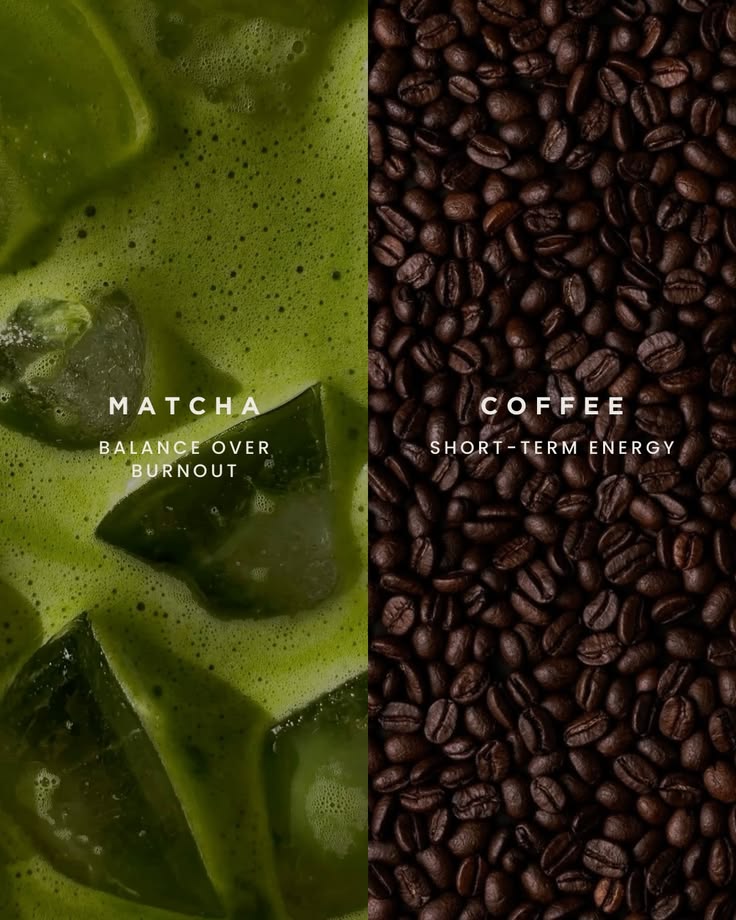
Matcha won't replicate coffee's taste, and it takes more preparation than pressing a button. What it offers instead is a similar caffeine dose delivered more gradually, thanks to L-theanine, with less of the jitter-and-crash pattern some coffee drinkers deal with. Whether that trade is worth it depends on what you actually want from your cup — speed and roasted bitterness, or a slower ritual and steadier focus.
What coffee does well
Coffee earned its place for real reasons. It's fast — grounds, water, done. It has a flavor range that spans roast, origin, and brew method, with decades of café culture built around it. A drip coffee also delivers a strong dose of caffeine (typically 95–120mg per cup) with a sharp, immediate lift that suits anyone who wants energy right now, not in ten minutes.
None of what follows is an argument that coffee is bad. It's an argument that matcha does a different job, and that job might suit you better on some mornings than others.
Where people commonly get frustrated with it
Coffee's caffeine arrives unmoderated — nothing in the drink slows how quickly it's absorbed. For some people that produces jitters, a racing heart, or a sharp afternoon crash once the effect wears off. Reaching for a second or third cup to fight that crash is common, which stacks more caffeine on top of an already sharp curve. None of this happens to everyone, and plenty of people drink coffee daily without issue — but it's the pattern that tends to send people looking for an alternative in the first place.
If that pattern sounds familiar, the caffeine amount usually isn't the actual problem. It's what's missing alongside it.
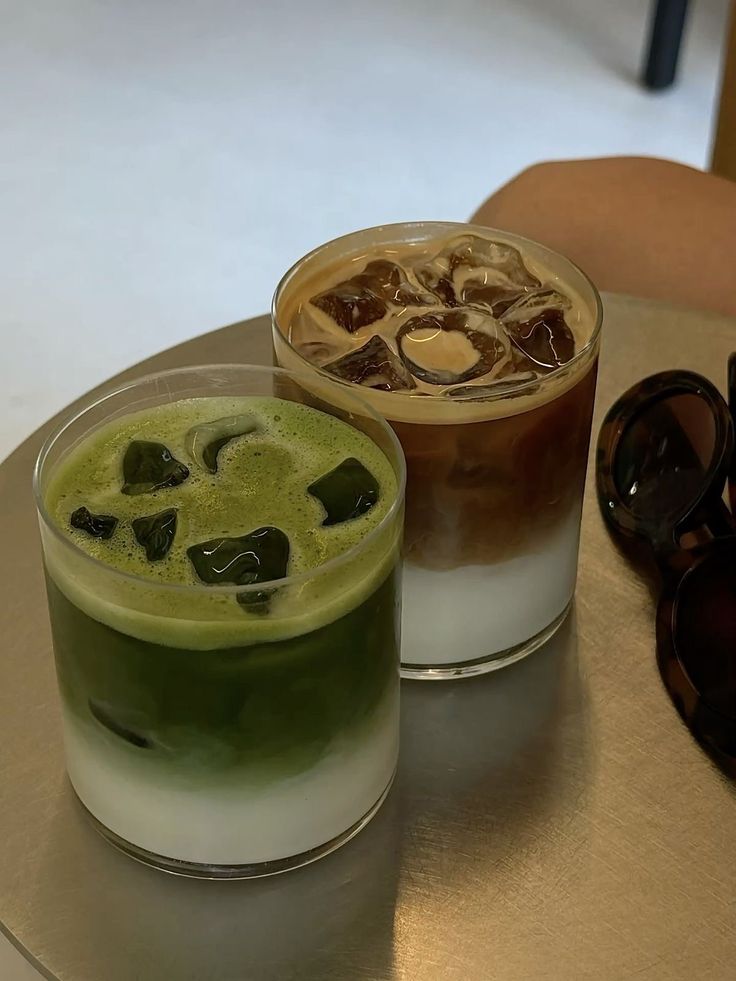
A different morning, not a better one by default — just different.
What actually changes with matcha
A ceremonial serving of matcha (about 2g) carries roughly 60–80mg of caffeine — similar to an espresso shot, and not dramatically less than a drip coffee. The difference is L-theanine, an amino acid tea plants carry that coffee doesn't. It's associated with calm, alpha-wave brain activity, and taken alongside caffeine, it moderates how that caffeine is absorbed and felt. The result most matcha drinkers describe: alert without jittery, focused without anxious.
This isn't matcha having "less" caffeine — it's the same rough dose, delivered differently. That distinction matters if the actual complaint about coffee was never the caffeine itself, but the way it hits.
What you'd actually be giving up
None of these are reasons to avoid matcha entirely. They're reasons this isn't an all-or-nothing decision.
A realistic way to try it
You don't need to swear off coffee to find out whether matcha suits you. A common approach is swapping just one cup — often the afternoon one, where a crash or sleep disruption is most likely to cause problems — and keeping the morning coffee routine intact. That gives you a direct comparison without committing to an entirely new habit before you know if you like it.
A latte is usually the easiest entry point if straight matcha's flavor feels unfamiliar — milk and a touch of sweetener soften the umami without erasing it. From there, some people move toward drinking it on its own; others stay at the latte stage indefinitely, and both are reasonable places to land.
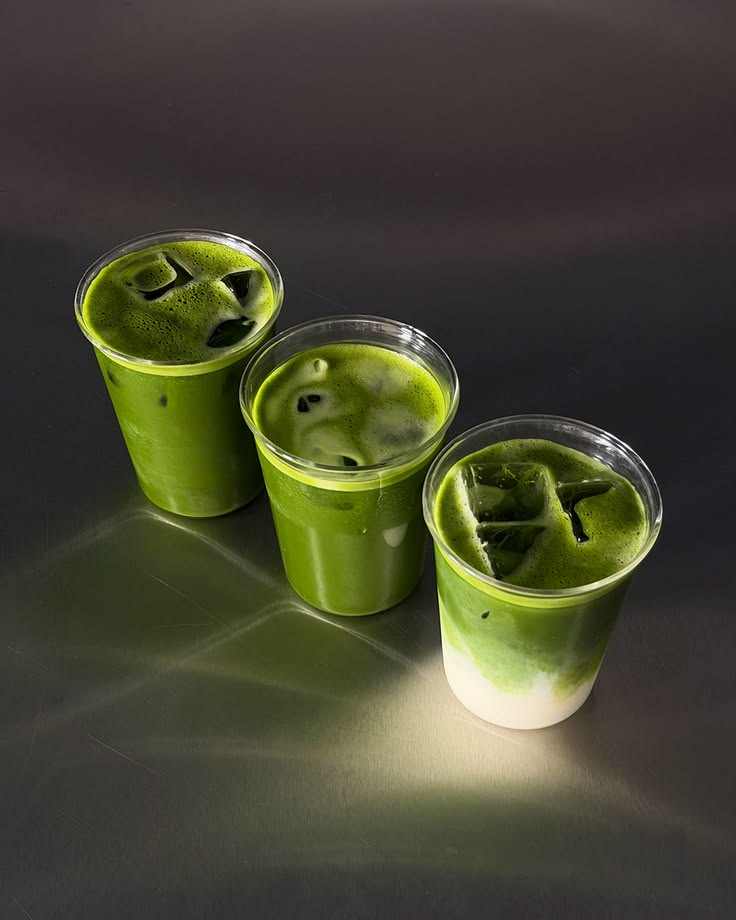
Where the alternative actually starts — three weeks of shade before a single leaf is picked.
Matcha vs coffee, honestly
Coffee lovers ask
Will matcha taste like coffee if I make it strong enough?
No. Matcha's flavor is grassy and umami-forward rather than roasted and bitter. Making it stronger intensifies that flavor, it doesn't move it closer to coffee. If you're hoping for a coffee-flavored substitute, matcha isn't that.
Do I have to give up coffee entirely to see a difference?
No. Swapping a single cup — commonly the one most likely to cause a crash or disrupt sleep — is enough to notice whether matcha suits you, without committing to replacing your whole routine.
Does matcha actually have less caffeine than coffee?
Not dramatically. A 2g ceremonial serving has about 60–80mg of caffeine, similar to an espresso shot, versus 95–120mg for a standard drip coffee. The bigger difference is L-theanine moderating how that caffeine is felt, not the raw amount.
Is matcha worth the extra prep time for a busy morning?
That depends entirely on what you value. If your mornings are genuinely rushed, the few extra minutes matcha takes to whisk properly is a real trade-off, not a minor one. Some people find the ritual itself is part of the appeal; others would rather keep coffee for that reason alone.
What's the easiest way to start if I've never had matcha?
A latte, rather than matcha on its own, is usually the more approachable starting point. Milk and a touch of sweetener soften the umami flavor while you get used to it, without hiding it completely.
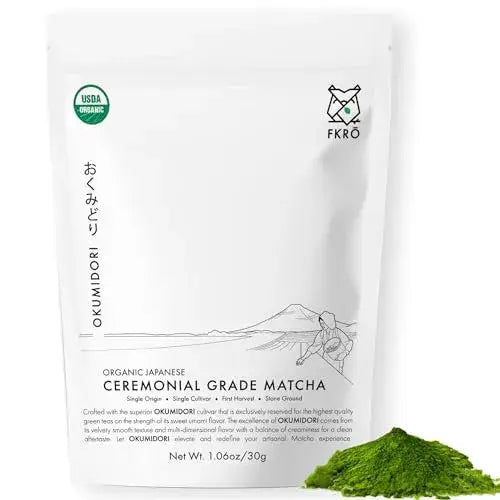
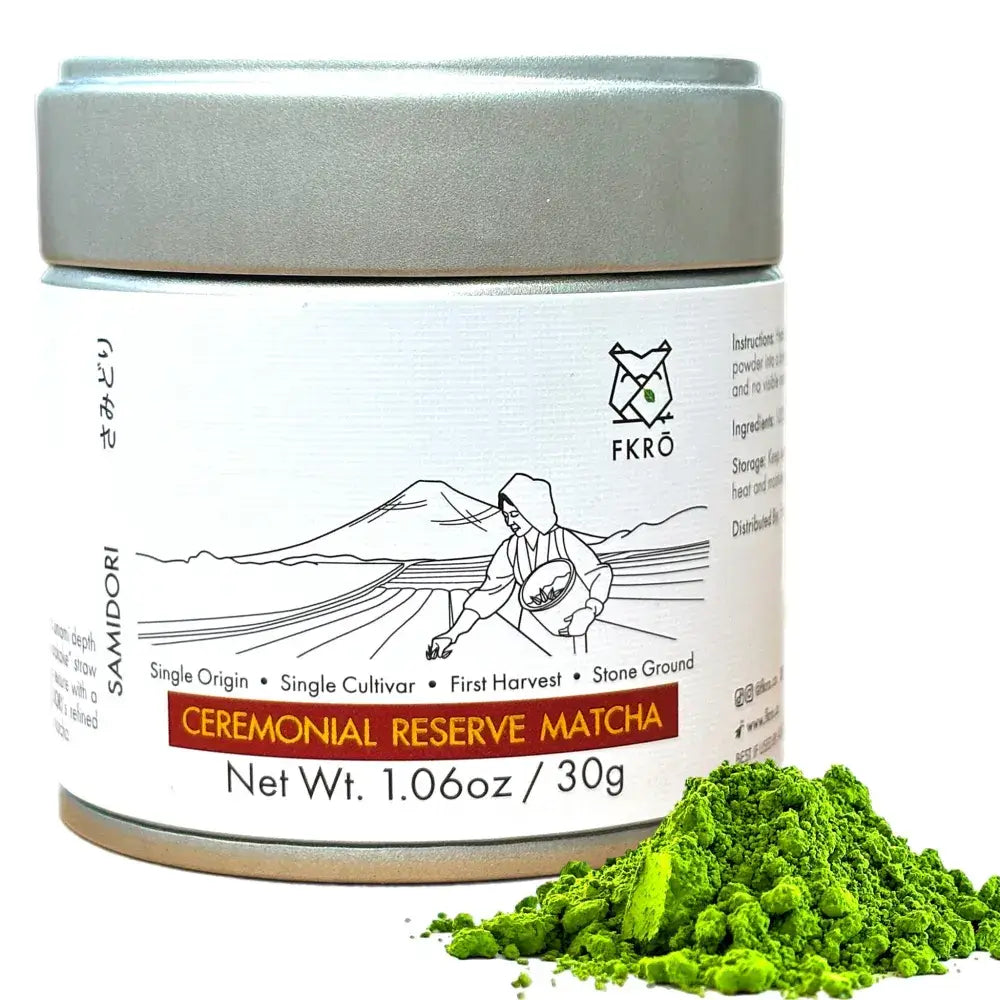
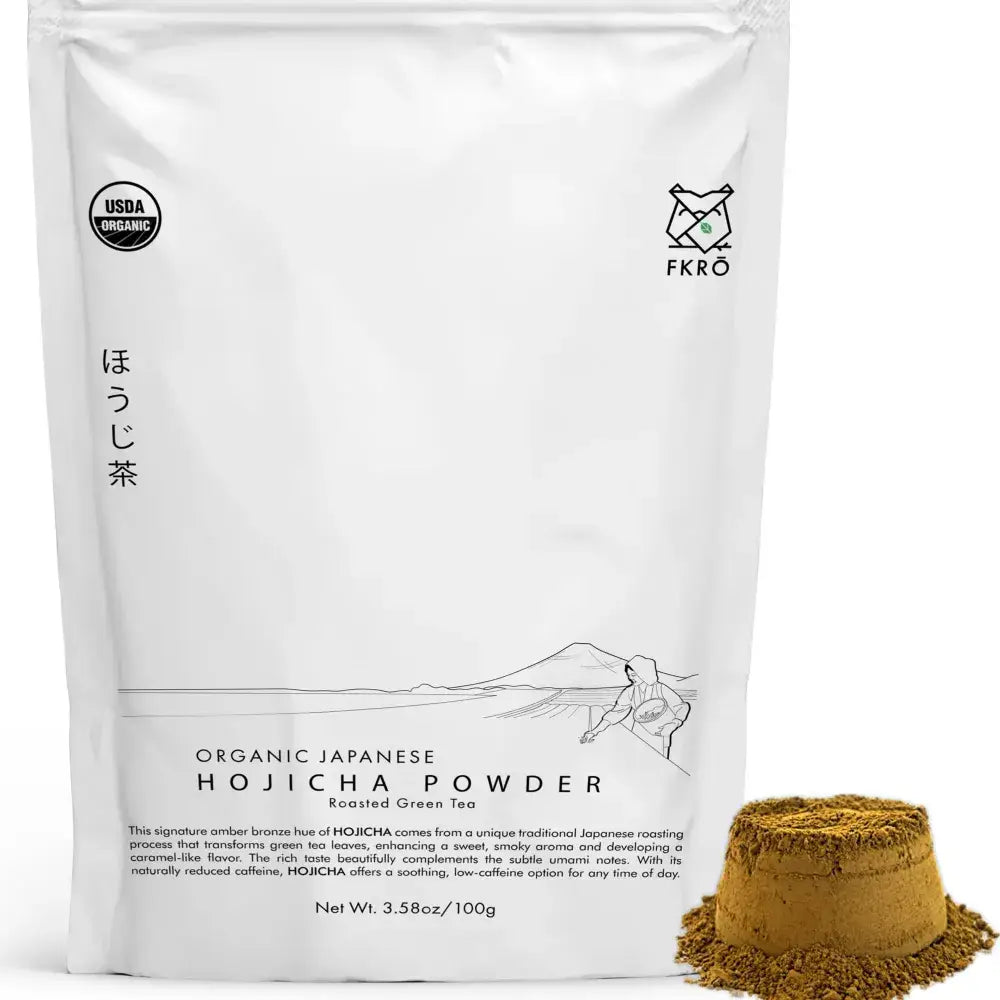
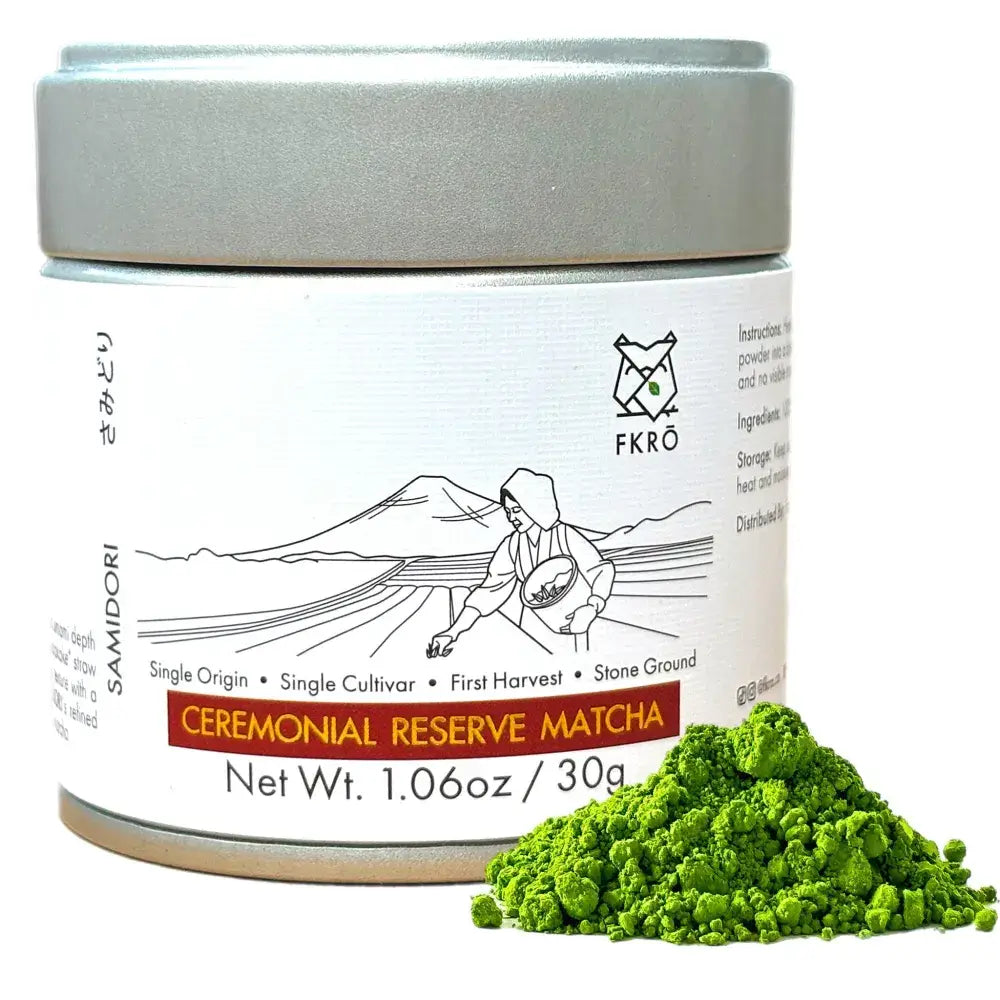
If you're coming from coffee, a roasted or richer-tasting option can feel like less of a leap than a delicate, grassy matcha. These two lean into that.
Recommended products
Once you're ready to try a traditional bowl, these round out the range — from an everyday cultivar to a genuinely different roasted alternative.