How to Make Iced Matcha (Matcha Cold Brew) at Home
Most clumpy, gritty iced matcha comes down to one mistake: adding powder straight to cold water. The fix takes an extra thirty seconds.

Whisk matcha with a small amount of warm (not boiling) water first to fully dissolve the powder into a smooth concentrate, then pour that over ice and top with cold water or milk. Adding matcha powder directly to cold water causes clumping, since matcha doesn't dissolve well in cold liquid without first being whisked into a paste.
Why matcha clumps in cold water
Matcha is a fine powder made from stone-ground tea leaves, and like many fine powders, it doesn't disperse easily in cold liquid — it tends to sit on the surface or form small clumps rather than dissolving evenly. Warm water and vigorous whisking break the powder apart and suspend it evenly, which is why the concentrate step matters even when the final drink is served cold.
Whisk warm, serve cold. The ice comes after the matcha is already fully dissolved, not instead of the whisking step.
What you'll need
About 2g of matcha (roughly half a teaspoon), 60–80ml of warm water around 80°C (175°F), a chasen or a small handheld frother, ice, and cold water or milk of your choice to top it off. A fine-mesh sieve is optional but helps break up any remaining clumps before whisking.
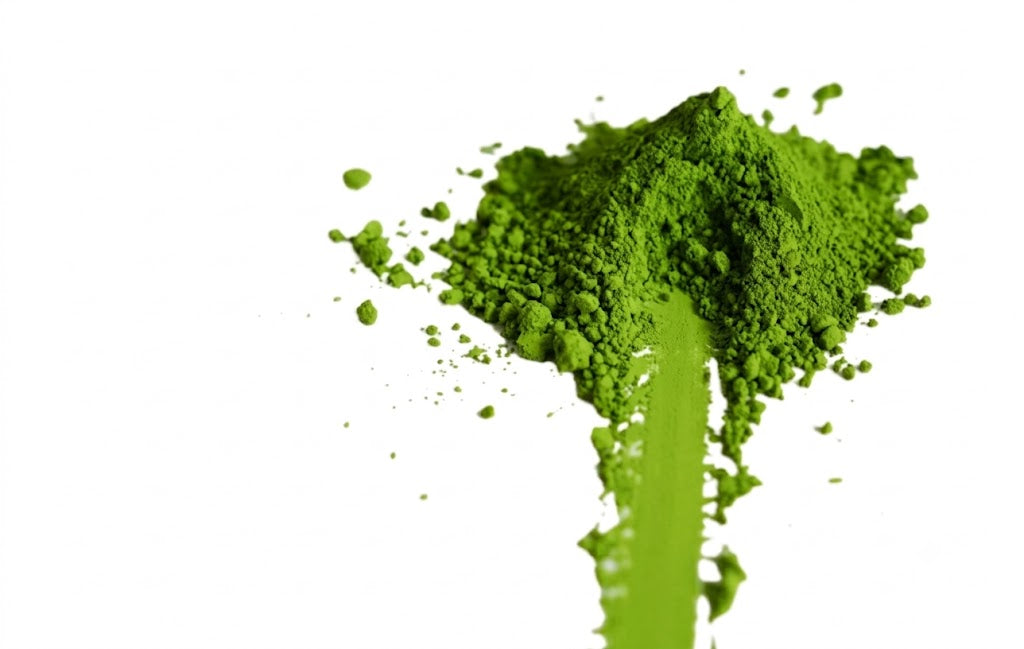
Everything starts the same way, whether the final drink is hot or iced.
The steps
1. Sift the matcha (optional but helpful). Pass the powder through a fine sieve into your bowl to break up any clumps before adding water.
2. Add warm water. Pour in 60–80ml of water around 80°C — well below boiling — and whisk briskly in a "W" or "M" motion until fully dissolved and lightly frothy, about 15–20 seconds.
3. Fill a glass with ice. Use plenty of ice so the drink stays cold as it dilutes.
4. Pour the matcha concentrate over the ice. The temperature difference will cool it almost instantly.
5. Top with cold water or milk. Adjust the ratio to taste — more matcha concentrate for a stronger drink, more water or milk for a lighter one.
A few easy variations
For an iced matcha latte, top with cold milk instead of water and adjust the ratio to taste. For a naturally sweeter version, a small amount of honey or simple syrup can be whisked into the warm concentrate before it's poured over ice, since sweeteners dissolve more easily in warm liquid than cold. Oat and almond milk are common dairy-free choices that pair well with matcha's grassy, umami flavor.
Common mistakes to avoid
Adding powder directly to cold water or milk is the single most common cause of a clumpy, gritty iced matcha. Using boiling water for the concentrate is another — it scorches the leaf and brings out unwanted bitterness, the same mistake that ruins a hot bowl of matcha. Skipping the whisking step and just stirring also tends to leave the powder unevenly dissolved, since matcha needs the aeration a proper whisking motion provides.
Iced matcha, at a glance
Iced matcha, answered
Can I just add matcha powder straight to cold water?
You can, but it usually results in clumps and uneven texture, since matcha doesn't dissolve well in cold liquid on its own. Whisking it into a warm concentrate first, then pouring that over ice, gives a much smoother result.
Do I need a chasen to make iced matcha?
A traditional bamboo chasen works well, but a small handheld electric frother or even a tightly sealed jar you shake vigorously can also fully dissolve the matcha concentrate.
Why is my iced matcha bitter?
Boiling water is the most common cause — it scorches the leaf and brings out unwanted bitterness. Keeping the water for your concentrate around 80°C rather than boiling helps avoid this.
How much matcha should I use for iced matcha?
About 2g, roughly half a teaspoon, whisked into 60–80ml of warm water is a standard starting point. Adjust up or down based on how strong you like it.
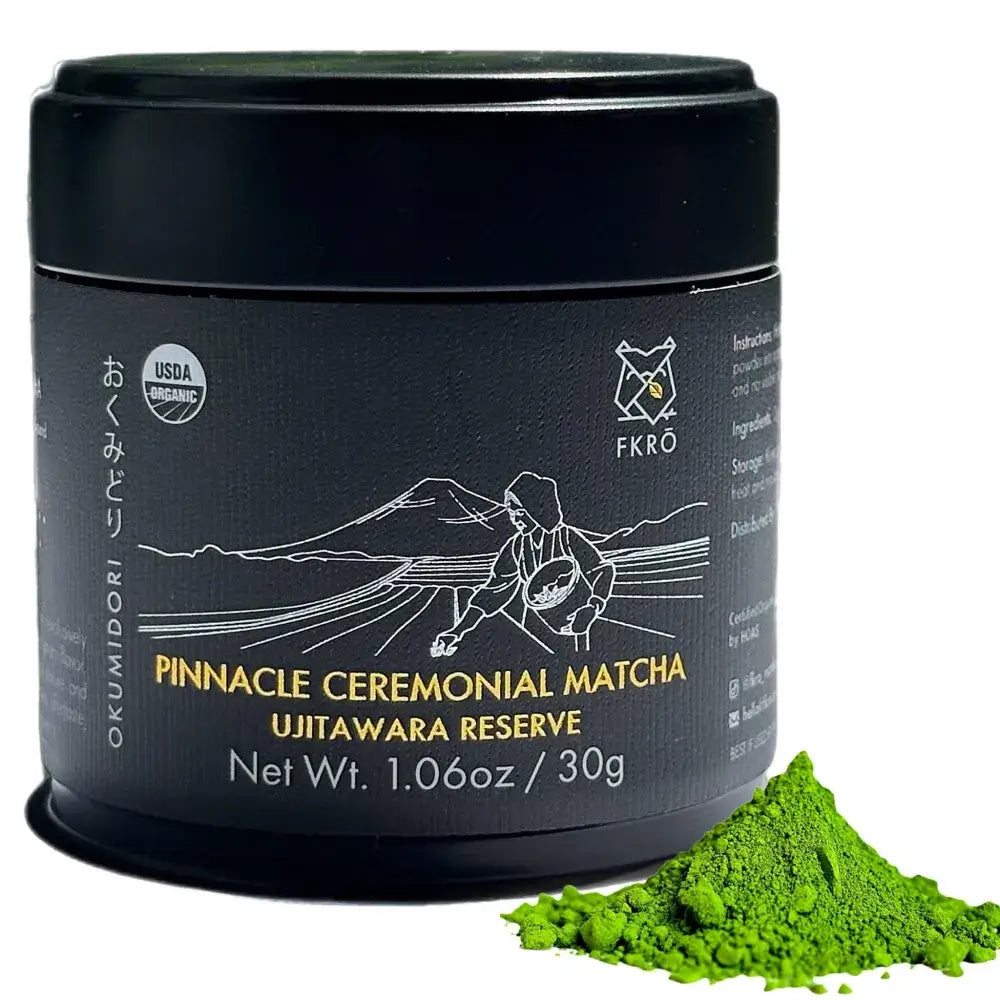
For iced matcha specifically, look for a bold enough flavor to hold up once it's diluted with ice and water. Okumidori is one of the few FKRŌ tins explicitly suited to cold brew; Tea Master's brings enough depth to stay flavorful over ice.
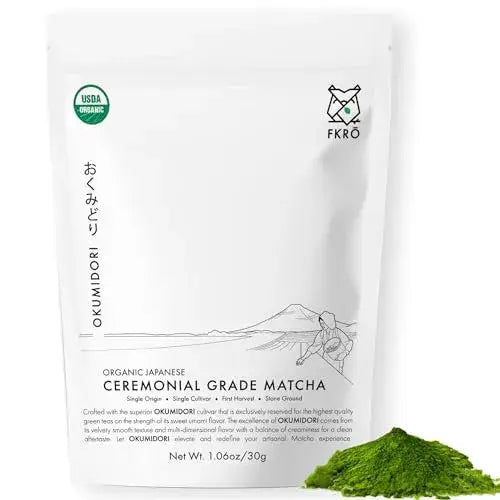

Recommended products
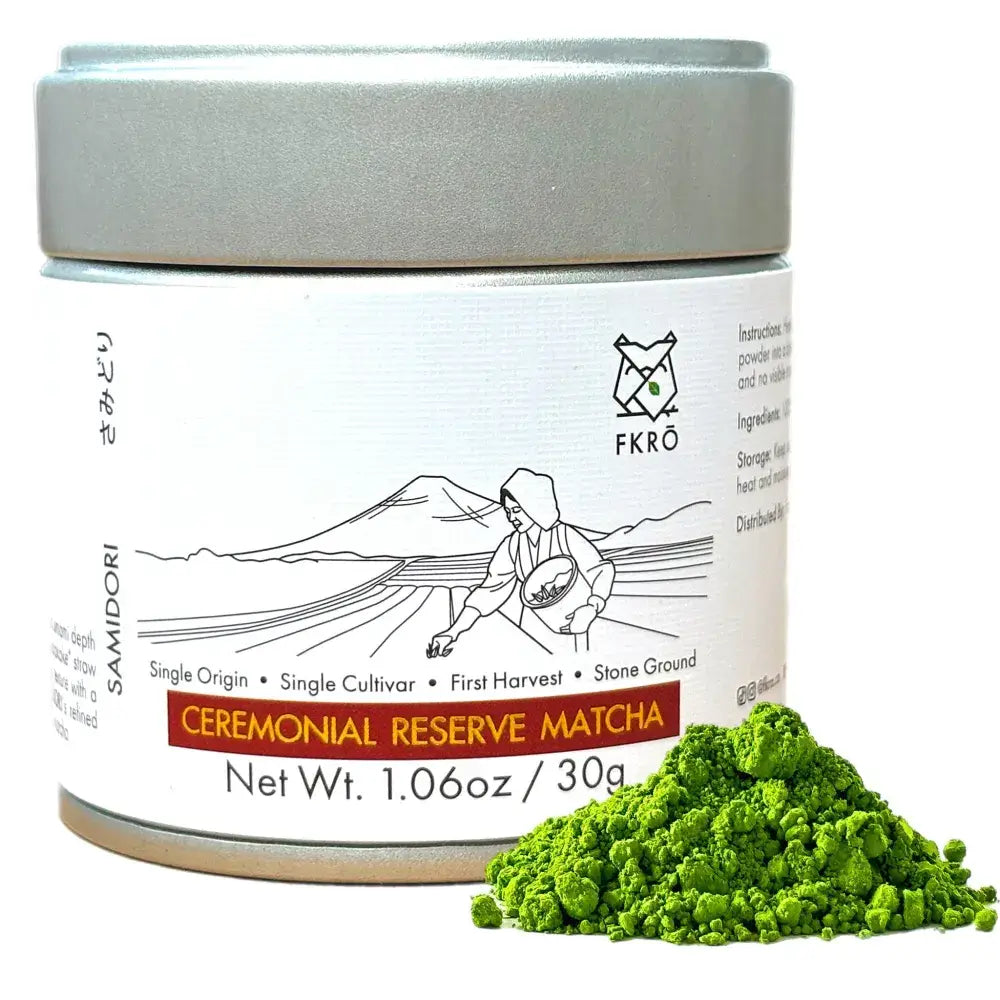
Every product in the FKRŌ lineup is single-cultivar, first-harvest, and air-freighted monthly from Japan. The core ceremonial line is USDA certified organic; the Limited Reserve tins below are conventionally grown.